How to Scope an MVP: Build Less, Learn Faster
An MVP isn't a smaller version of your product. It's the fastest way to answer your riskiest question. Here's how to scope one properly.
In this article
The most common MVP mistake isn't bad code or bad design. It's building too much. Founders start with a lean idea, then add "just one more feature" until the first version takes months longer than planned and still doesn't answer the question that mattered.
This guide explains how to scope an MVP around learning, not features, so you launch sooner and spend your budget on what you actually need to know.
What an MVP really is
MVP stands for minimum viable product: the smallest version of a product that lets you learn something important from real users.
The key word is learn. An MVP is an experiment. Its job is to reduce uncertainty about your riskiest assumption, such as whether people have the problem, whether they'll pay, or whether they'll change their current habits to use your solution.
That's different from a prototype, which shows how something might work, and from a "version one," which tries to be a complete product.
Step 1: Write down your riskiest assumption
Every new product rests on assumptions. List them, then ask which one would sink the business if it turned out to be wrong. Common examples:
- Our target customers experience this problem often enough to care.
- They'll pay for a solution at the price we need.
- They'll trust a new provider with this task.
- We can deliver the core result reliably.
Pick the riskiest one and turn it into a question your MVP must answer, for example: "Will independent gym owners pay monthly for automated class reminders?"
Step 2: Define what success looks like
Decide in advance what result would give you confidence to continue. For instance: "A set number of paying gyms within the first months," or "most trial users complete the core action in their first week."
Writing this down before launch protects you from moving the goalposts later, and makes the conversation with co-founders or investors much clearer.
Step 3: Map the one core journey
Describe the single path a user takes to get value from your product, from arriving to reaching the result. Keep it to a handful of steps. Everything on that path is a candidate for the MVP. Everything off it probably isn't.
For the gym example, the core journey might be: a gym owner signs up, connects their class schedule, and members start receiving reminders.
Step 4: Cut features ruthlessly
Now go through your feature list and ask of each item: does this help answer our question? Sort features into three groups:
| Group | Meaning | Examples |
|---|---|---|
| Must have | The core journey fails without it | Sign up, schedule import, reminders |
| Fake it | Needed, but can be done manually at first | Onboarding help, reporting emailed by hand |
| Later | Nice to have, doesn't affect the answer | Custom branding, mobile app, integrations |
The "fake it" group is where the biggest savings are. Early customers are usually happy with a manual process behind the scenes, as long as they get the result. You can automate it once you know it's worth it.
Step 5: Choose the right form
An MVP doesn't always have to be software. Depending on your question, it could be:
- A landing page that describes the product and measures sign-ups.
- A concierge service where you deliver the result manually for a few customers.
- A clickable prototype tested in user interviews.
- A focused web app that delivers the core journey.
If your question is about demand, a landing page may be enough. If it's about usage and retention, you usually need a working product people can use regularly.
Step 6: Build it properly, but small
Minimum doesn't mean messy. The features you do build should work reliably and feel trustworthy, because a buggy MVP teaches you about your bugs, not your idea. Use proven technology, keep the architecture simple, and set up basic analytics so you can see what users actually do.
Done well, the MVP becomes the foundation of version two rather than something you throw away.
Step 7: Plan how you'll learn
Before launch, decide how you'll collect insight:
- Product analytics on the core journey
- Short interviews with early users
- A simple way for users to send feedback
- A regular review, weekly or every two weeks, of what you've learned
Common MVP mistakes
- Building for every user type at once. Start with one clear audience.
- Polishing features nobody has asked for. Settings pages and admin dashboards can usually wait.
- Skipping analytics. Without data, you're guessing.
- Launching quietly. An MVP needs real users. Plan how you'll reach the first ones.
- Treating the scope as fixed. Adjust as you learn; that's the point.
Next step
A well-scoped MVP is one of the best investments a founder can make. It turns big uncertainty into clear evidence, quickly and affordably.
If you're planning one, we help founders define the question, cut the scope and build a solid first version. Learn more about our MVP development and SaaS development services, or book a call to talk through your idea.
- mvp development
- startups
- product strategy
How we can help
MVP Development
Validate an idea with a focused, real product - not a slide deck.
SaaS Development
Multi-tenant platforms with subscriptions, dashboards and room to scale.
Product Design
End-to-end design for digital products - from concept to design system.
Related articles
Web Design5 min read
How to Write a Website Design Brief (With a Free Template)
A good brief is the cheapest way to get a better website. Here's what to include, why it matters, and a template you can fill in today.
Branding5 min read
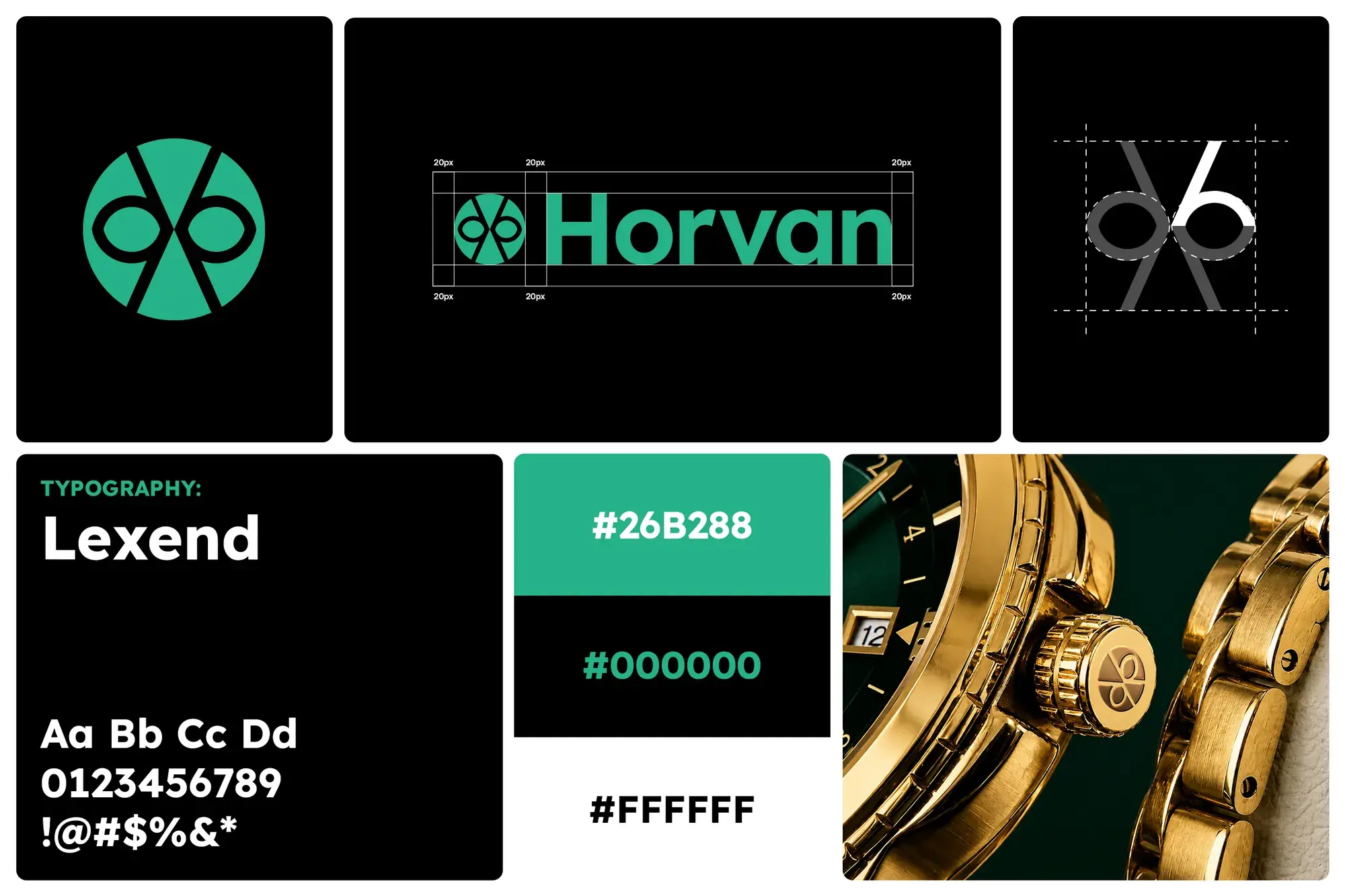
Logo vs Brand Identity: What's the Difference, and Which Do You Need?
A logo is the signature. A brand identity is the whole handwriting. Here's what each one includes, and how to tell which your business actually needs.
Marketing Design3 min read
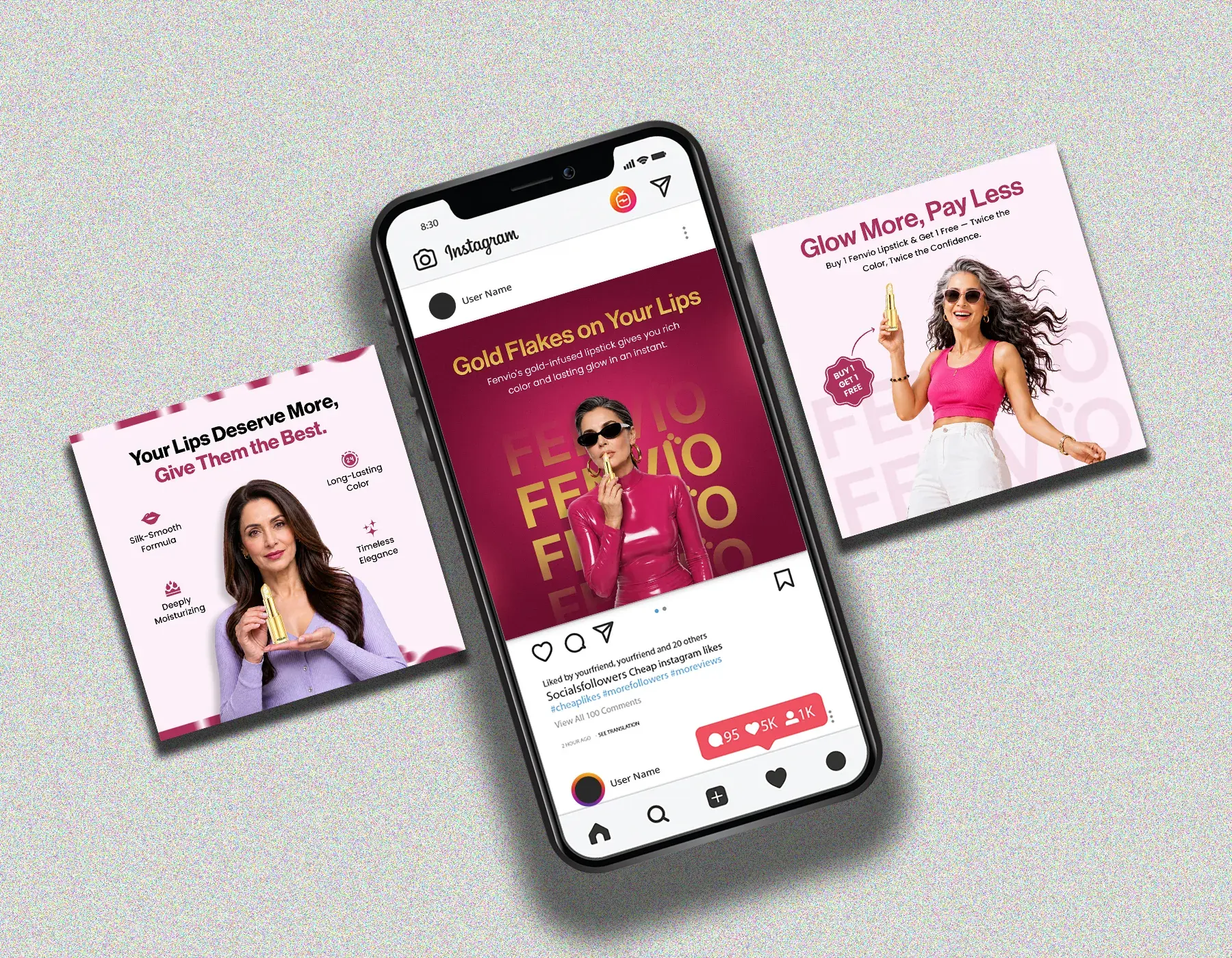
Meta Ad Creative Checklist: 12 Things to Check Before You Launch
Before you spend a cent on Facebook or Instagram ads, run your creative through these twelve checks. They catch the mistakes that waste budget.
Have a project in mind?
Tell us what you're building. We'll get back to you with questions, ideas and next steps.