How to Write a Website Design Brief (With a Free Template)
A good brief is the cheapest way to get a better website. Here's what to include, why it matters, and a template you can fill in today.
In this article
The quality of a website project is decided long before anyone opens a design tool. It's decided by the brief. A clear brief helps agencies quote accurately, helps designers make the right decisions early, and saves you from paying for revisions that could have been avoided.
You don't need to be technical to write a good brief. You need to answer a handful of questions honestly. This guide walks through each one and ends with a template you can copy.
Why a website brief matters
Without a brief, every agency fills the gaps with their own assumptions. That's why quotes for "a website" can vary so much: each studio is imagining a different project. A brief puts everyone on the same page, so you can compare proposals fairly and start the project with shared expectations.
A good brief also forces useful decisions on your side. Writing down who the site is for and what it needs to achieve often reveals that you need fewer pages, a clearer message or a different priority than you first thought.
1. Your business in a few sentences
Explain what you do, who you do it for and what makes you different. Keep it short and specific. "We help independent dental clinics fill their appointment books" is far more useful than "we provide innovative solutions."
Include any context that affects the project: a recent rebrand, a new product line, a merger, or plans to expand into new markets.
2. The goals of the website
This is the most important section. What should the website achieve for the business? Common goals include:
- Generating enquiries or quote requests
- Selling products online
- Taking bookings
- Building credibility before a sales call
- Recruiting new staff
- Reducing support questions
Pick one primary goal and a few secondary ones. If everything is a priority, nothing is. And if you can, say how you'll judge success, for example "more qualified enquiries each month" or "fewer phone calls asking the same questions."
3. Your audience
Describe the people you want to reach. What do they need to know before contacting you? What worries them? Are they researching on a phone during a commute or comparing suppliers at a desk?
If you have more than one audience, such as customers and job seekers, note which matters most.
4. What's wrong with the current site
If you're replacing an existing website, list what isn't working. Common answers:
- It looks outdated compared to competitors
- It's hard for our team to update
- It's slow or broken on mobile
- Visitors don't understand what we offer
- It doesn't generate enquiries
Also note what does work. If certain pages rank well in search or bring in most of your leads, the new site should protect them.
5. Pages and features
List the pages you think you need. It doesn't have to be final; a good agency will help refine it. Then list any features beyond standard content pages:
- Contact or quote forms
- Online booking or payments
- Blog or resources section
- Portfolio or case studies
- Search or filtering
- Member areas or logins
- Integrations with a CRM, email platform or booking system
- Multiple languages
6. Content: who provides what
Content is the most common cause of delays in website projects. Be clear about what exists and who will create the rest:
- Do you have final copy, or do you need help writing it?
- Do you have good photography, or will you need a shoot or stock images?
- Who will gather case studies, testimonials and team bios?
7. Brand and style
Share your logo, brand guidelines, colors and fonts if you have them. Then list three to five websites you like, not just from your industry, and explain what you like about each one. "I like how clean the layout is" or "the way they explain pricing is clear" is more useful than a list of links.
It's equally helpful to share sites you don't like and why.
8. Competitors
Name two or three competitors and note what they do well and badly online. This helps the designer understand the standard you need to meet and where you can stand out.
9. Budget and timeline
Many people leave this out, worried that sharing a budget means they'll be charged the full amount. In practice, a budget range helps an agency recommend the right approach, rather than guessing and proposing something too basic or too ambitious.
For timeline, share your ideal launch date and whether it's fixed, for example a product launch or trade show, or flexible.
10. After launch
Think about who will look after the site once it's live. Will your team update content? Do you want ongoing support, hosting, maintenance or SEO help? Mentioning this early helps the agency choose the right platform and plan the handover.
A website brief template
Copy these headings into a document and answer each one in a few sentences:
- About us: what we do, for whom, and what makes us different
- Goals: the primary goal and secondary goals, and how we'll measure success
- Audience: who we want to reach and what they need to know
- Current site: what doesn't work and what does
- Pages and features: our first draft of the sitemap and required features
- Content: what we have and what we need help with
- Brand and style: brand assets, sites we like and why
- Competitors: who they are, and their strengths and weaknesses
- Budget and timeline: range, ideal launch date, fixed or flexible
- After launch: who manages the site and what support we need
Next step
Once your brief is ready, share it with two or three agencies and compare how they respond. The best partners will ask good questions, challenge assumptions and explain their recommendations clearly.
We're happy to be one of them. Send us your brief, or read more about our website design and web development services first. If you're not sure where to start, we can work through these questions with you on a short call.
- website design
- design brief
- web project planning
How we can help
Website Design & Redesign
Distinctive, conversion-focused website design and redesigns.
Web Development
Fast, secure websites and web applications built on modern stacks.
Related articles
Product & MVP4 min read
How to Scope an MVP: Build Less, Learn Faster
An MVP isn't a smaller version of your product. It's the fastest way to answer your riskiest question. Here's how to scope one properly.
Branding5 min read
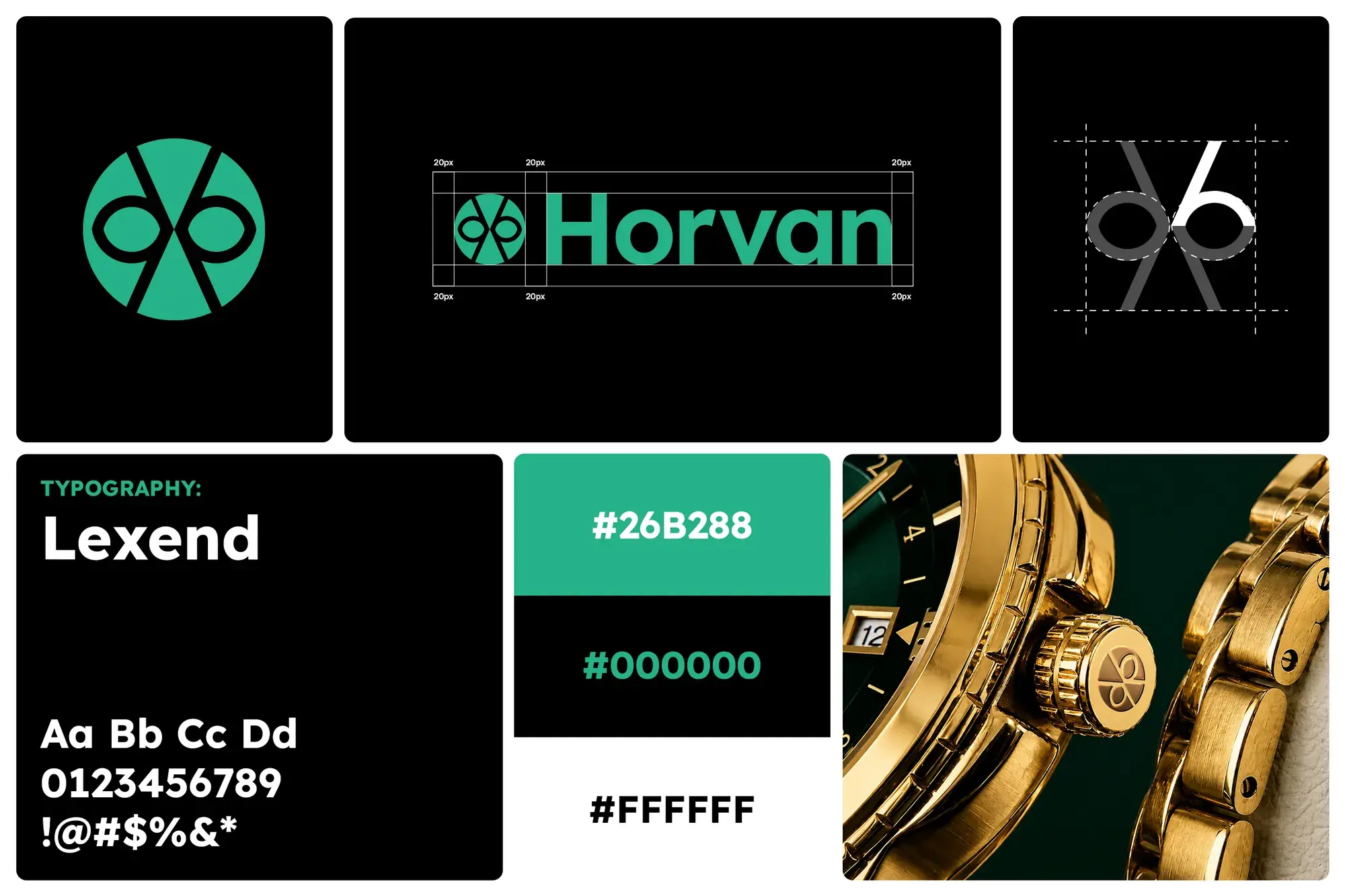
Logo vs Brand Identity: What's the Difference, and Which Do You Need?
A logo is the signature. A brand identity is the whole handwriting. Here's what each one includes, and how to tell which your business actually needs.
Marketing Design3 min read
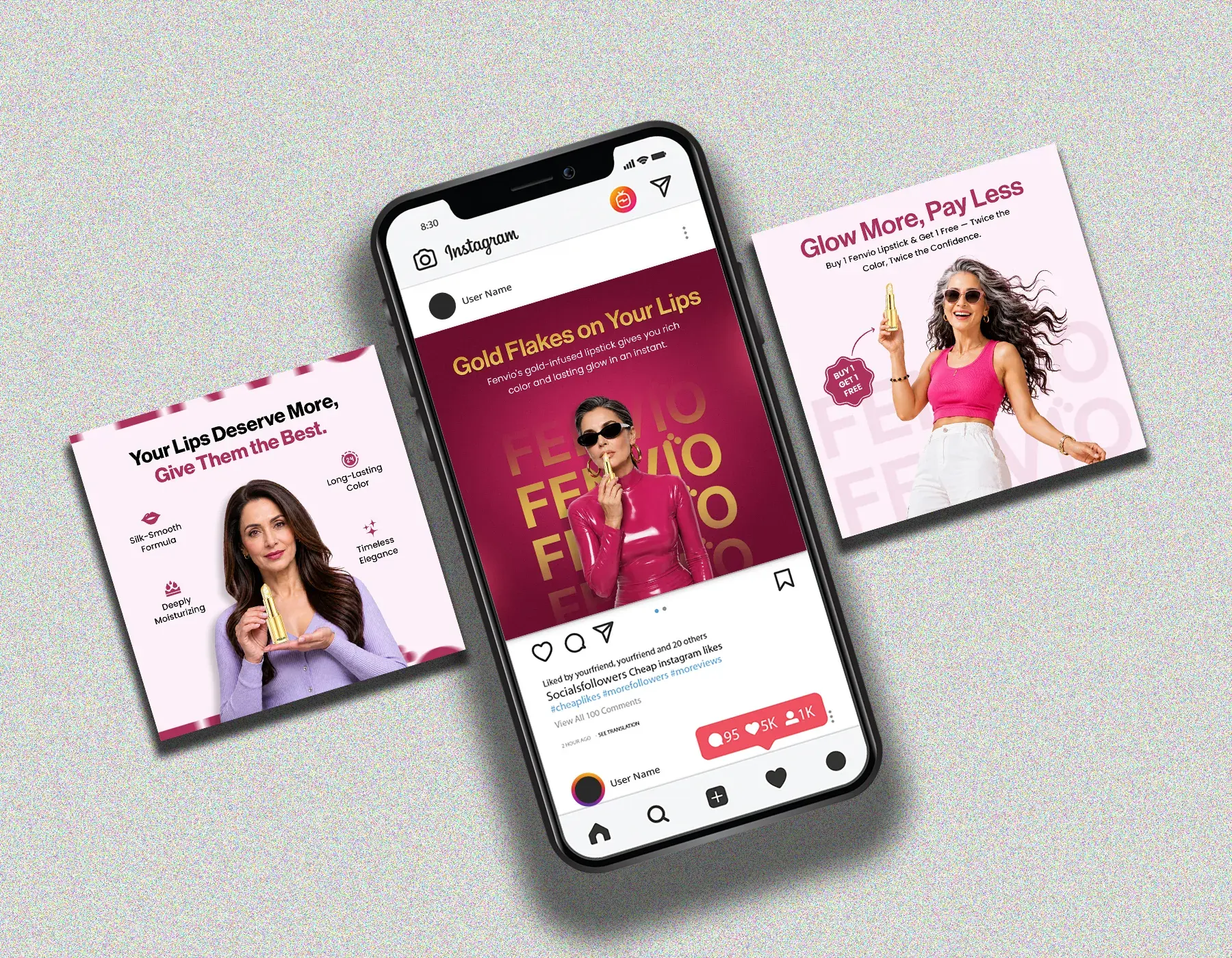
Meta Ad Creative Checklist: 12 Things to Check Before You Launch
Before you spend a cent on Facebook or Instagram ads, run your creative through these twelve checks. They catch the mistakes that waste budget.
Have a project in mind?
Tell us what you're building. We'll get back to you with questions, ideas and next steps.